

 English


The art of natural perfumes – how top, middle, and base notes intertwine
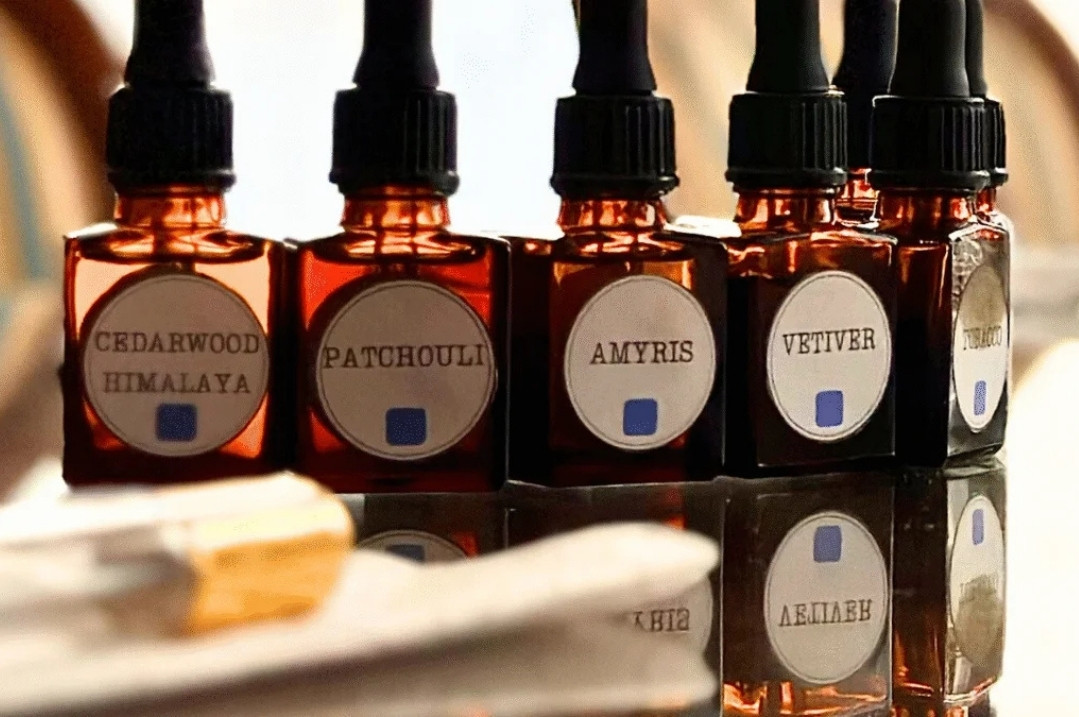
How to combine natural perfumes harmoniously.
Summary:
Perfume is more than a pleasant scent — it’s a personal signature, an invisible story that unfolds over time. In natural perfumery, the magic comes from plants, flowers, resins, and essential oils, blended into subtle harmonies. Every perfume has a structure, much like a melody, built from top notes, middle notes, and base notes. If you’re curious about how to combine natural perfumes harmoniously, let’s discover together the art of perfume creation.
Table of contents:
- Top notes – the first impression
- Middle notes – the heart of the perfume
- Base notes – depth and memory
- How to combine notes in a natural perfume
- Why natural perfumes are special
Top notes – the first impression
These are the first notes you notice when you apply a perfume. Light, fleeting, and full of freshness, they evaporate quickly—within 10–15 minutes—but they set the tone for the entire composition.
The most common are citrus fruits (lemon, orange, bergamot, grapefruit), aromatic herbs (mint, basil, lavender), or fresh spices (ginger, coriander).
Their role is to attract and spark curiosity — they are the opening chapter of the olfactory story.
Middle notes – the heart of the perfume
Once the top notes fade, the middle notes emerge, giving the perfume its main character. They define the identity and emotion of the composition and remain present for several hours.
Here you’ll find flowers (rose, jasmine, geranium, ylang-ylang), sweet herbs (chamomile, sage), or warm spices (cinnamon, cloves).
The middle notes are the soul of the perfume — they balance and connect all the other accords.
Base notes – depth and memory
Base notes are the ones that last the longest. They appear after a few hours and can remain on the skin for an entire day. They anchor the perfume and give it depth.
The most well-known are resins (myrrh, frankincense), woods (cedar, sandalwood, patchouli), and balsamic or vanilla notes.
The base notes are the echo of the perfume — the memory that lingers after everything has settled.
How to combine notes in a natural perfume
Creating a perfume is a game of balance.
- Choose 1–2 base notes to provide stability and depth.
- Add 2–3 middle notes for personality and harmony.
- Finish with 1–2 top notes for freshness and energy.
The classic ratio (in drops or proportions) is 30% top notes, 50% middle notes, and 20% base notes, but you’re free to experiment.
Why natural perfumes are special
Natural perfumes breathe, evolve, and transform on your skin. Each blend is unique, because essential oils react differently depending on each person’s chemistry. Instead of uniformity, they offer authenticity — a living perfume that tells your story.
Want to learn how aromas combine and create your own perfume? Hodaia organizes perfumery workshops where you can explore the world of essential oils, note by note, until you discover your perfect essence.