

 English


The plants around your home: when to harvest them, what they’re good for, and how to put them in your cup
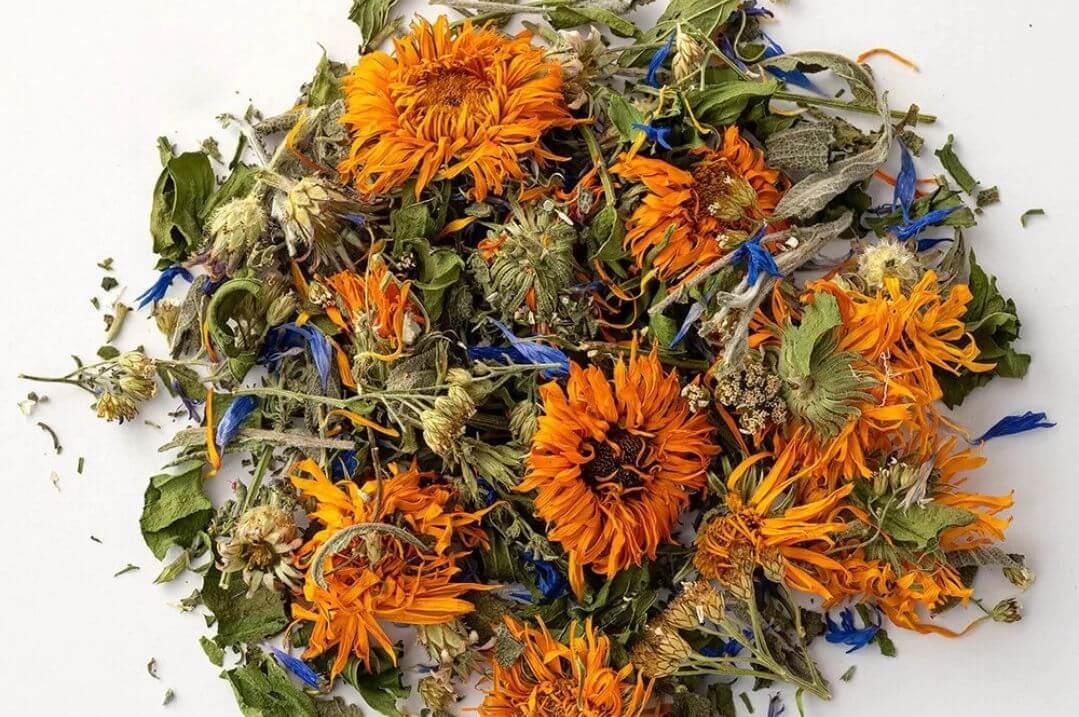
Decoction or infusion? And what’s the point of the plants around your home? You don’t need to be a phytotherapist or have an entire botanical garden to enjoy medicinal plants. Very often, they’re right there in your garden or near your house. The secret is knowing when to harvest them, what they’re good for, and how to use them properly…
Summary:
Plants have existed since the beginning of time and will remain here long after we are gone. What matters is to be respectful toward the environment and the nature around us, and nature will become a reliable ally whenever we need it. It’s important to understand that plants can help us only insofar as we know how to use them: that an infusion is suitable for the delicate parts of a plant, while a decoction is meant for the tougher ones; that plants from the garden or forest are very different from those growing by the roadside; and that beyond recipes, true magic appears when you harvest plants with care and place them mindfully into your cup. They offer not only health, but also the feeling of living in harmony with the place you call home.
Table of contents:
- Decoction or infusion? And what’s the point of the plants around your home
- Infusion – for flowers and leaves
- Decoction – for roots, bark, and seeds
- When and where to harvest
- The plants around your home
Decoction or infusion? And what’s the point of the plants around your home
You don’t need to be a phytotherapist or have an entire botanical garden to enjoy medicinal plants. Very often, they’re right there in your garden or near your house. The secret is knowing when to harvest them, what they’re good for, and how to put them into your cup.
Infusion – for flowers and leaves
Infusion is the gentle method: you pour boiling water over flowers or leaves, cover the cup, and wait a few minutes.
- Suitable for delicate parts (linden flowers, chamomile, mint leaves).
- It brings out aromas, volatile oils, and the plant’s gentle energy.
- Great for relaxation, digestion, or simply enjoying a warm, fragrant drink.
Decoction – for roots, bark, and seeds
Decoction is the “strong” method: you boil tougher roots, bark, or seeds so they can release their active compounds.
- It draws out minerals and substances that dissolve with difficulty.
- The taste is more intense, sometimes bitter—but that’s where its strength lies.
- Examples: burdock root for purification, willow bark for pain relief.
When and where to harvest
Even if you know the recipe, a plant isn’t as valuable if it’s picked at random.
- Morning (after the dew has lifted) is the golden hour for flowers and leaves—such as St. John’s wort;
- Early spring or late autumn is best for roots;
- Young flowers and tender leaves hold the greatest vitality.
The plants around your home
- The linden tree in your yard – its flowers are perfect for infusion, supporting sleep and calm.
- Mint in the garden – a handful of fresh leaves in a cup of hot water makes a remedy for digestion.
- Elder growing near the household – flowers as infusion for colds, berries as decoction for immunity (and who doesn’t love elderflower cordial?).
- Dandelion in the lawn – raw leaves in salads, the root as a decoction for liver support.