

 English


Dandelion, the spring plant where nothing goes to waste
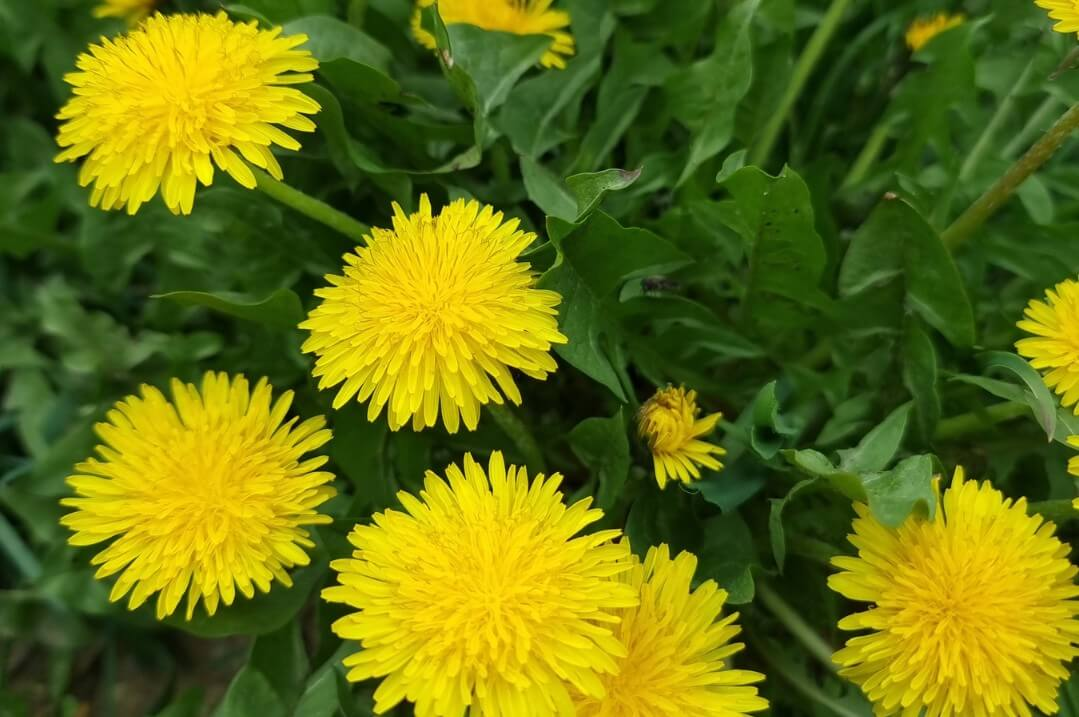
Dandelion is one of those modest plants we often pass by without paying much attention to. We see it along roadsides, in gardens, fields, or meadows, yet few people know that almost every part of it can be used: the root, leaves, and flowers.
Dandelion is one of those modest plants we often pass by without paying much attention to. We see it along roadsides, in gardens, fields, or meadows, yet few people know that almost every part of it can be used: the root, leaves, and flowers.
In traditional herbal medicine, dandelion is valued for supporting digestion, for its diuretic effect, and for its role in supporting hepatobiliary function. The European Medicines Agency (1) mentions the traditional use of dandelion root for mild digestive disorders and for increasing urinary elimination, while the leaves are traditionally used as a diuretic.
Its botanical name is Taraxacum officinale, and spring is the ideal time to harvest it, provided that we choose clean areas far from roads, pesticide-treated land, or polluted places.
Contents:
- Which parts of dandelion are used?
- A simple yet valuable plant
- Tea recipe for digestive support
- A small spring ritual
Which parts of dandelion are used?
Dandelion root
The root is harvested in early spring, before the plant blooms. At this stage, the plant concentrates much of its resources in the root.
After harvesting, the root is thoroughly washed, cleaned of soil residue, cut into small pieces, and left to dry in a well-ventilated place. The dried and roasted root can be used to prepare a coffee substitute with a slightly bitter, earthy, and pleasant taste.
Dandelion leaves
Dandelion leaves are somewhat like a “local arugula”: they have a fresh, slightly bitter, and intense taste. They can be used in salads, soups, green smoothies, or infusions.
They are best harvested before the plant blooms, as they become more bitter after the flowers appear. Young leaves are more tender and easier to incorporate into dishes.
Dandelion flowers
The flowers are harvested when they are young, freshly opened, and brightly colored. They can be used in teas, syrups, macerations, or various seasonal preparations.
Ideally, they should be picked on a sunny day after the morning dew has dried, so the flowers are clean and dry.
A simple yet valuable plant
Almost nothing from the dandelion goes to waste. It is an easy-to-find medicinal plant, versatile, and traditionally used for a long time in households and herbal practices.
However, even though it is a common plant, it should be used in moderation. Regular dietary consumption is generally considered safe, but using it in large quantities or for extended periods should be done with caution. NCCIH (2) mentions that the safety of dandelion in amounts greater than those typically consumed as food is less known, and some people may experience allergic reactions, especially if they are sensitive to plants from the same family.
Additionally, dandelion root is not recommended in cases of bile duct obstruction, cholangitis, liver conditions, gallstones, or other biliary diseases due to the possible stimulation of bile secretion.
Tea recipe for digestive support
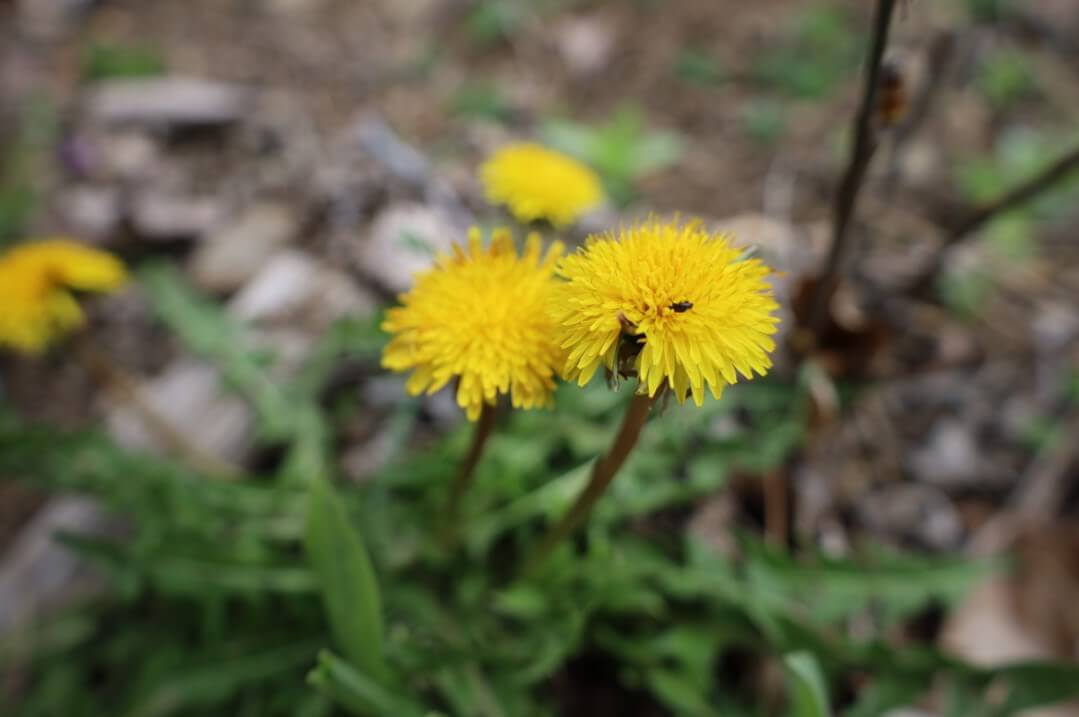
If you have harvested and properly dried dandelion flowers, you can use them in a gentle blend for digestive support.
Ingredients
For the herbal blend you will need:
- 50% dandelion flowers
- 20% mint leaves
- 20% chamomile
- 10% artichoke leaves
Mint adds freshness and supports digestive comfort, chamomile brings gentleness to the blend, while artichoke is traditionally used to support digestion, especially after heavier meals.
Preparation method
1. If the plants are fresh, dry them in a thin layer in a clean, dry, and well-ventilated place.
2. After drying, mix the herbs according to the indicated proportions.
3. Use one tablespoon of the blend for one cup of hot water.
4. Bring the water close to boiling, then pour it over the herbs.
5. Cover the cup and let it infuse for about 10 minutes.
6. Strain and drink warm, plain or with a little honey, according to preference.
When should it be consumed?
The tea can be enjoyed after meals or between meals to support digestion and provide a general feeling of lightness.
How many times per day?
It can be consumed once or twice a day, in short-term courses, depending on individual tolerance and needs.
A small spring ritual
Dandelion reminds us that simple plants, growing right before our eyes, can have surprisingly valuable uses. Carefully harvested from clean areas, properly dried, and used in moderation, it can become a valuable ingredient in teas, salads, or seasonal recipes.
In spring, dandelion is not just a yellow spot in the field, but an invitation to reconnect with natural rhythms and with the plants our grandparents once knew so well.
References: